overview of disease prevention, control, and herd health management. It is an essential resource for professionals and students studying veterinary medicine who focus on animal health care for the long term.
Introduction
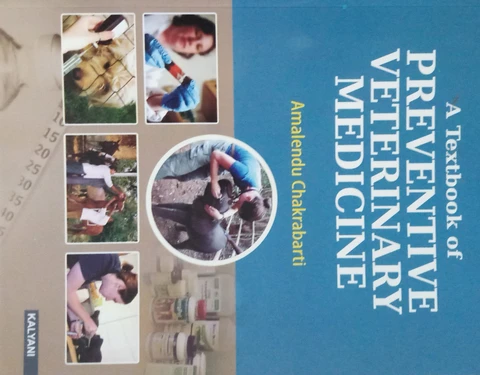
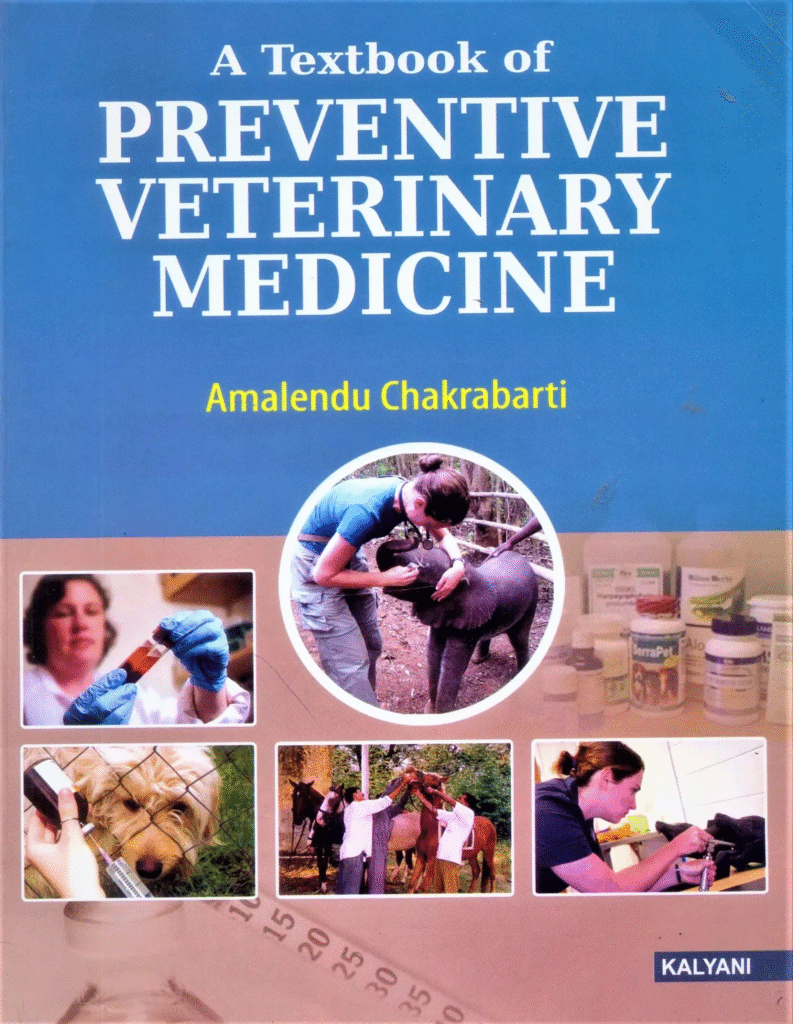
A Textbook of Preventive Veterinary Medicine by Dr. Amalendu Chakrabarti is one of the most widely used and authoritative resources in the field of veterinary science, particularly in India and other developing countries. The book provides a comprehensive understanding of preventive medicine, epidemiology, and herd health management and serves as a foundational text for undergraduate and graduate veterinary students. It bridges the gap between clinical practice and disease prevention, emphasizing the role of veterinarians in maintaining animal health, productivity, and public safety
Author Background
Dr. Amalendu Chakrabarti is a respected figure in veterinary science, known for his extensive contributions to the study of infectious diseases, epidemiology, and preventive medicine. With years of academic and field experience, his work reflects a deep understanding of both theoretical and practical aspects of veterinary healthcare. His book is written to be comprehensive but easy to understand, making it a go-to resource for professionals in livestock management and veterinary public health as well as students.
Scope and Purpose of the Book
The primary goal of A Textbook of Preventive Veterinary Medicine is to equip veterinary students and practitioners with the knowledge and skills required to prevent and control diseases in animals. Rather than focusing solely on diagnosis and treatment, the book highlights the proactive approach of preventing disease occurrence through management practices, vaccination, sanitation, and surveillance.
Important goals include:
Knowing how disease spreads and how animal populations change. Developing effective disease prevention and control strategies.
promoting biosecurity and the management of herd health. Strengthening the One Health approach linking animal health, human health, and the environment.
promoting awareness of zoonotic diseases and their effects on public health.
Structure and Content Overview
The book is systematically organized to cover all major aspects of preventive veterinary medicine. It combines fundamental theory with practical applications, ensuring students gain both conceptual clarity and field relevance.
1. Fundamentals of Preventive Veterinary Medicine
Preventive veterinary medicine’s origins, significance, and development are explained in the first chapters. It discusses the scope of the discipline in terms of preserving livestock productivity and minimizing disease-related economic losses. In-depth explanations are provided for disease prevention, biosecurity, and sanitation fundamentals.
2. Epidemiology
A significant portion of the book is dedicated to epidemiology, the backbone of preventive medicine. The author explains epidemiological terms, types of studies, methods of disease investigation, and measures of disease frequency. Special emphasis is given to:
- Disease determinants (agent, host, and environment)
- Transmission dynamics
- Outbreak investigation
- Data interpretation and surveillance systems
This section helps readers understand how diseases spread and how effective prevention programs can be designed.
3. Disease Control and Eradication Programs
The book extensively discusses national and international programs for disease control and eradication. It discusses tactics like quarantine, movement control, vaccination, policies like test-and-slaughter, and the significance of public participation in campaigns to eradicate diseases. Notable programs such as Rinderpest eradication, Foot and Mouth Disease (FMD) control, and Brucellosis control are highlighted as case studies.
4. Veterinary Public Health and Zoonoses
The textbook written by Chakrabarti places a significant emphasis on zoonotic diseases, or diseases that can spread from animals to humans. The author emphasizes the veterinarian’s role in ensuring food safety, environmental hygiene, and public health. Detailed discussions include:
- Zoonotic bacterial, viral, and parasitic diseases
- Methods of prevention and control
- Occupational health risks for veterinarians and animal handlers
- Meat hygiene, milk sanitation, and food inspection practices
This section aligns closely with global efforts to adopt the One Health concept, integrating animal and human health systems.
5. Immunization and Vaccination
The book provides a thorough account of immunology in preventive medicine, explaining how immunity develops and how vaccines are designed and administered. It consists of: Vaccine types (live, dead, recombinant, etc.) the fundamentals of vaccination schedules Storage, transport, and field application of vaccines
Adverse effects and vaccination failures
In addition, Chakrabarti discusses the significance of national vaccination programs in the management of major livestock diseases.
6. Environmental and Nutritional Factors in Disease Prevention
Recognizing that disease prevention goes beyond vaccination, the book highlights the impact of nutrition, housing, and management on animal health. Nutrition, waste management, and proper environmental sanitation are presented as essential components of preventive medicine.
Educational Value
The textbook is written in clear, concise language, making it accessible to students while maintaining scientific rigor. Each chapter is well-structured with summaries, tables, and flowcharts that enhance understanding. It is frequently recommended for courses in Preventive Veterinary Medicine, Epidemiology, Public Health, and Herd Health Management. The practical examples and real-world applications make it valuable for both academic learning and field practice.
Relevance to Modern Veterinary Practice
In an era where emerging and re-emerging diseases continue to challenge global livestock and public health, Chakrabarti’s textbook remains highly relevant. It provides veterinarians with a solid conceptual foundation for disease surveillance, outbreak management, and community-level prevention programs. It is especially useful in contemporary veterinary and agricultural systems because it incorporates One Health principles and places an emphasis on sustainable livestock practices.
Conclusion
Amalendu Chakrabarti’s A Textbook of Preventive Veterinary Medicine is a fundamental resource for veterinary education and practice. Its comprehensive coverage of disease prevention, epidemiology, zoonoses, and herd health makes it indispensable for anyone involved in animal healthcare. By promoting preventive approaches over curative ones, the book supports the global mission of achieving healthier animals, safer food, and a more sustainable environment. It continues to be a trusted guide for veterinarians, students, and researchers committed to advancing preventive animal medicine.
Need Veterinary Help?
If you have any questions about animal health, management, diseases, or treatment, feel free to reach out. Our professional veterinary team is available to assist you.
Consult Online: Contact Us
Email: professionaldvm129@gmail.com
Visit: www.veterinaryhub.info